By Paul Chimodo
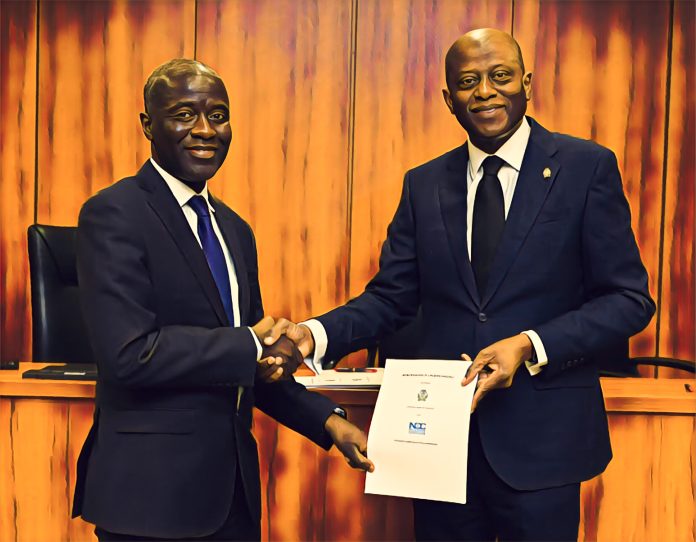
The Central Bank of Nigeria (CBN) and the Nigerian Communications Commission (NCC) have signed a Memorandum of Understanding (MoU) aimed at strengthening collaboration between both regulators to combat rising cases of electronic and SIM-related fraud in Nigeria’s digital economy.
The agreement, signed at the CBN headquarters in Abuja, is designed to improve coordination between the financial and telecommunications sectors, particularly in areas involving fraud prevention, consumer protection, and the integrity of digital payment systems.
CBN Governor, Olayemi Cardoso, described the partnership as a strategic response to the growing dependence on digital platforms for financial transactions. He said the MoU reflects a national effort to ensure that innovation in the financial and telecoms space is matched with strong safeguards against fraud.
According to him, the collaboration will enhance regulatory coordination, improve technical standards, and support innovation testing through structured frameworks that ensure safer digital financial services.
A key feature of the agreement is the introduction of the Telecom Identity Risk Management System (TIRMS) Portal, a shared data platform that will allow banks, fintech companies, and telecom operators to verify mobile numbers in real time. The system is expected to help detect and block fraudulent use of recycled, swapped, or blacklisted SIM cards often linked to financial crimes.
NCC Executive Vice Chairman, Aminu Maida, said the MoU marks a major milestone in strengthening Nigeria’s digital economy. He noted that closer collaboration between both agencies is now essential due to the increasing use of mobile numbers as identifiers for banking, authentication, and digital services.
Maida added that the initiative would also improve consumer protection and help resolve complaints linked to failed transactions and telecom-related financial issues more efficiently.
Under the agreement, two joint committees will oversee implementation—one focusing on payment systems and consumer protection, and another managing the telecom identity risk platform.
Officials say the partnership is expected to reduce fraud risks, deepen trust in digital services, and support Nigeria’s drive toward a more secure and inclusive digital financial system.