

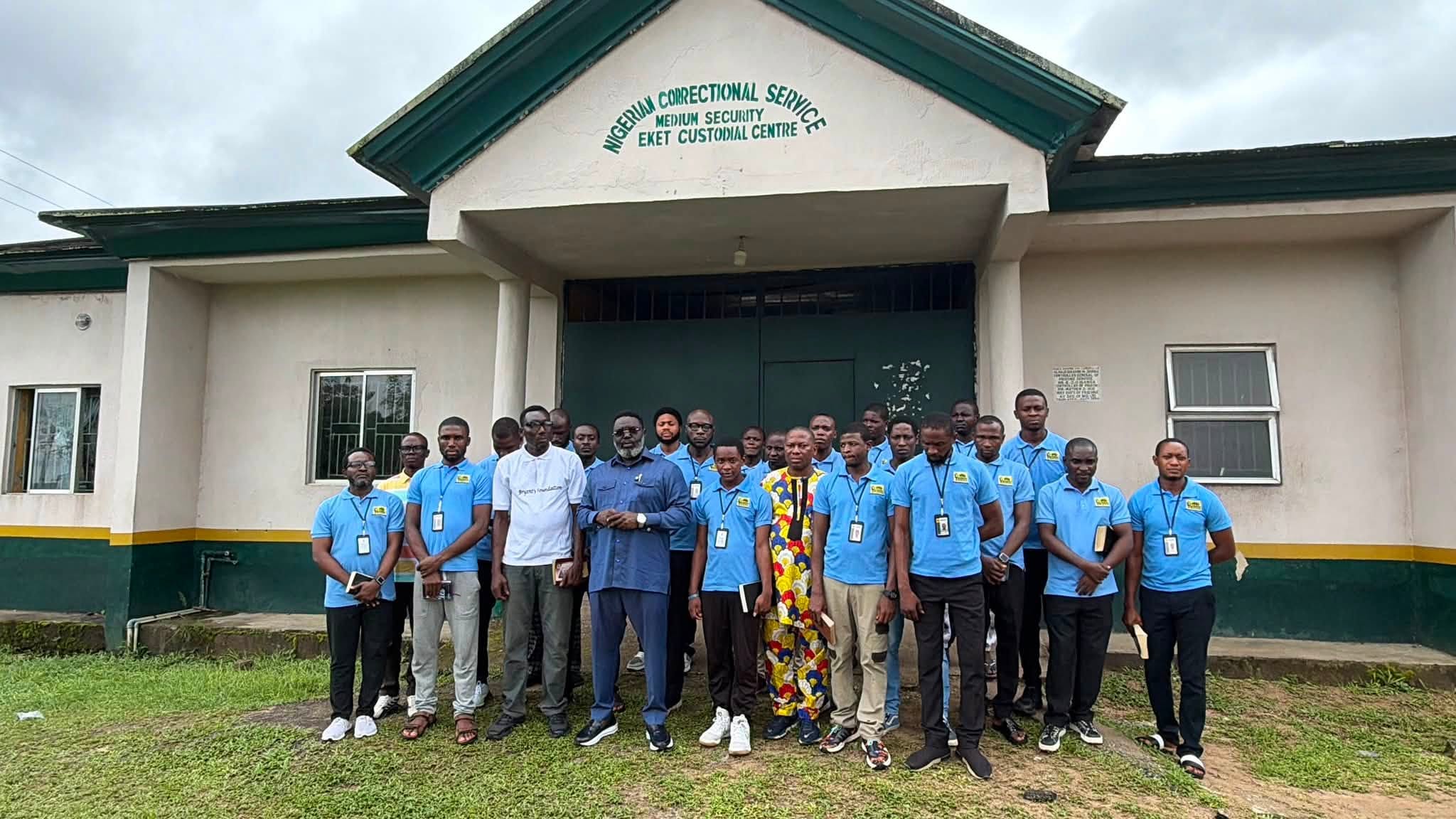
Hope has been rekindled for families whose children and wards were involved in drug abuse, cultism and other social vices, following the graduation and reintegration of about 18 young men in Port Harcourt.
The graduates, comprising participants from Set 28 in Jos, Plateau State, and Set 29 in Port Harcourt, had previously struggled with drug abuse, cultism and other social vices.
The programme was organised by the Youth Rescue International Development Organization as part of its rehabilitation and reintegration efforts.
Speaking during the graduation ceremony, which was attended by representatives of the Nigeria Police Force and the National Drug Law Enforcement Agency, NDLEA, some of the graduates narrated how they became involved in drug abuse, cultism and other social vices.
They attributed their experiences to factors including broken homes, lack of parental care, negative peer influence and economic hardship arising from unemployment.
The graduates, however, expressed appreciation to the Youth Rescue International Development Organization for helping them turn their lives around.
A relative who spoke on behalf of the families shared his experience of the challenges he faced with his son, who was involved in drug abuse.
He expressed optimism that the positive transformation witnessed in the graduates would be sustained as they return to their communities.
Speaking with journalists at the event, the Executive Director of the Youth Rescue International Development Organization, Nature Dumale-Kieghe, said his decision to focus on the rehabilitation of young men involved in drug abuse followed research which, according to him, established a link between drug addiction, cultism, criminality and other social vices.
Dumale-Kieghe, who is also the Rivers State governorship candidate of the Peoples Redemption Party, PRP, criticised what he described as the government’s reluctance to collaborate with organisations implementing such rehabilitation programmes.
He alleged that the government was not interested in the initiative because it wanted to continue using young people to perpetrate violence, particularly during elections.



Leave feedback about this