By Paul Chimodo
The recent directive by Nigeria’s Inspector-General of Police restricting Point-of-Sale POS operators from operating within 200 metres of police stations has sparked a broader national conversation about corruption, convenience, and the realities of informal finance in Nigeria.
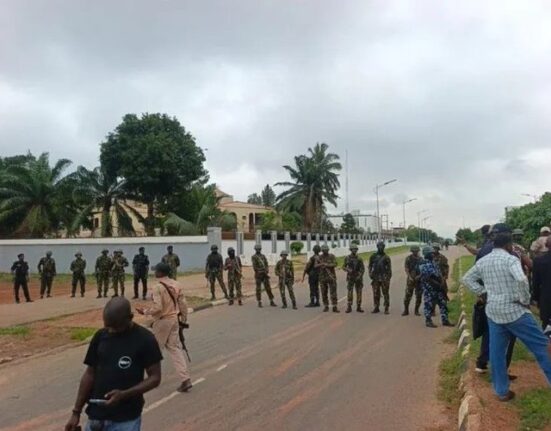
Announced as part of efforts to sanitise police environments and reduce alleged unethical financial interactions, the policy seeks to create a buffer zone around all police formations across the country. Authorities argue that POS stands located too close to stations have in some cases enabled questionable transactions involving officers and civilians.
But while the intention is framed around discipline and accountability, the question now dominating public debate is whether the restriction can truly curb extortion or simply relocate the problem.
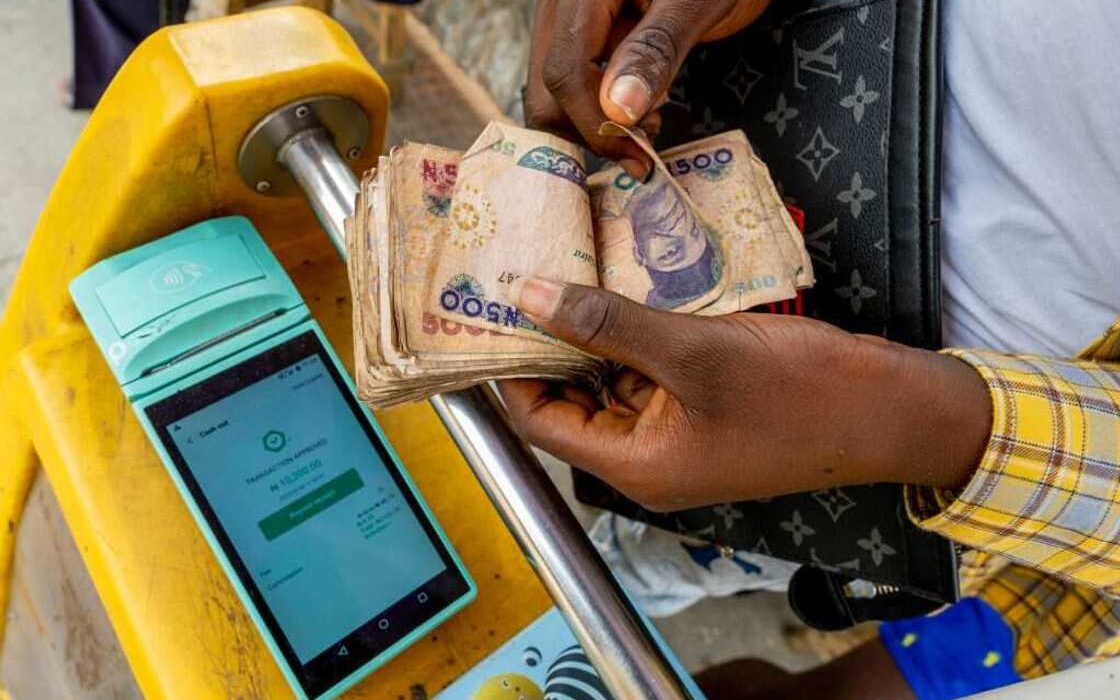
For many Nigerians, POS operators are more than cash agents; they are lifelines in a system where banking access, cash availability, and digital transaction reliability remain uneven. Around police stations, they often serve officers, detainees’ relatives, lawyers, and visitors who rely on quick cash withdrawals and transfers.
Critics of the policy argue that removing POS operators from these spaces may reduce visibility but not necessarily eliminate misconduct. Instead, they warn it could push transactions into less regulated environments, making oversight even more difficult.
On the other hand, supporters of the directive believe the move is a necessary step to reduce informal financial contact points that could enable abuse. They argue that clear physical boundaries around police stations may help reinforce professionalism and limit opportunities for unethical exchanges.
The policy also highlights a deeper structural issue, the intersection of policing and Nigeria’s informal economy. In many communities, POS operators have become embedded in everyday survival systems, filling gaps left by traditional banking services.
Security analysts say the success of the ban will depend not only on enforcement but also on broader reforms within the police system, including accountability mechanisms and internal discipline. Without these, they argue, spatial restrictions alone may not address the root causes of extortion allegations.
As implementation begins nationwide, Nigerians are left with a pressing question, will the 200 metre rule clean up policing spaces or simply redraw the lines around an already complex problem?