

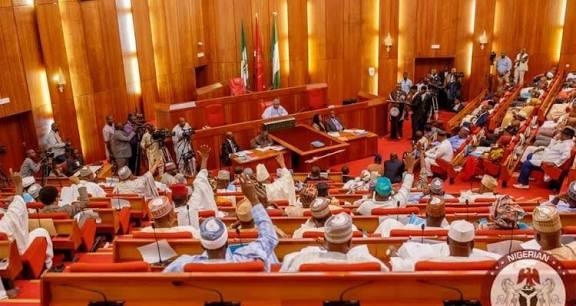
The Nigerian Senate is facing widespread criticism following its rejection of real-time electronic transmission of election results ahead of the 2027 general elections.
A Professor of Politics and Governance at the Ignatius Ajuru University of Education, Ken Nwaeke, said many senators are aware they may struggle to secure re-election in a truly free and fair poll. The former RSIEC commissioner added that the moment calls for Nigerians to hold their representatives accountable.
Similarly, a lecturer at the University of Port Harcourt, Professor Clement Asadu, warned that failure to transmit results electronically would render the Bimodal Voter Accreditation System (BVAS) ineffective.
Also reacting, a political scientist at Rivers State University, Dr. Anthony Egobueze, described the Senate’s decision as one that has “removed oxygen” from Nigeria’s democracy, while the Coordinator of the Pilex Centre for Civic Education Initiatives, Courage Nsirimovu, accused lawmakers of prioritizing personal interests over the collective good of Nigerians.
Some citizens who spoke to reporters argued that the rejection of real-time electronic transmission is driven by self-preservation, expressing confidence that transparent elections would ultimately reflect the will of the electorate and send underperforming lawmakers home.
Meanwhile, opposition senators insist that electronic transmission of results must remain part of the Electoral Bill. They warned that weakening or removing the provision would threaten transparency and mark a setback for democratic progress.
Lawmakers including Senators Enyinnaya Abaribe, Aminu Tambuwal, Natasha Akpoti, and others vowed not to backtrack, maintaining that Senate committees had previously agreed on real-time electronic transmission of results.
In a separate television interview, Senator Victor Umeh stated that a majority of senators supported electronic transmission, expressed surprise at the position of Senate President Godswill Akpabio, and urged the Senate to act in line with the wishes of Nigerians.






Leave feedback about this