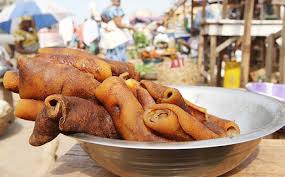
The Rivers State branch of the Butchering Workers Union of Nigeria has called on Governor Siminalayi Fubara to take urgent action to stop the influx of imported cow skins, popularly known as pomo, into the state.
The chairman of the union in Rivers State, Habeeb Akanfe, raised the alarm over what he described as the “suspicious origin” and “unsafe preservation methods” of the imported cow skins, warning that they pose serious health risks to consumers.
Speaking in Port Harcourt, Akanfe said the union is deeply concerned about the growing importation of pomo from unknown sources, noting that the products may contain harmful chemicals used for preservation. He stressed that such practices undermine public health and threaten the local meat industry.
“With the number of cows slaughtered daily in Port Harcourt alone, there is absolutely no reason for Rivers people to consume imported pomo,” Akanfe said. “We produce enough locally to meet the needs of the state without compromising quality or safety.”
Meanwhile, butchers at the Okuru-Ama slaughterhouse in Port Harcourt have also defended their operations, emphasizing their commitment to hygiene and best practices.
In an interview with Correspondent Rachael Ramson, the market’s Sanitation and Welfare Officer, Yaro Yau Abdullahi, maintained that local butchers adhere to strict hygiene standards to ensure that meat and related products remain safe for public consumption.
“We take cleanliness very seriously,” Abdullahi said. “From slaughtering to processing, we make sure that everything is done in a healthy and hygienic environment.”
The Butchering Workers Union is urging the state government to strengthen inspection and regulation of meat imports and to support local producers who, they argue, are capable of meeting demand safely and sustainably.
The union also appealed to the Ministry of Health and the Ministry of Agriculture to collaborate in enforcing standards that protect consumers and promote the integrity of local meat products.