

By Paul Chimodo
When the Federal Government announced that the West African Examinations Council and the National Examinations Council will go fully Computer Based by 2026, it sounded like a bold leap into the future. For a country that has long struggled with exam malpractice, delayed results, and the heavy cost of running paper tests, the promise of a digital shift felt like a breath of fresh air.
But almost immediately, questions began to pour in. Could Nigeria’s fragile infrastructure handle such a massive change How would students in rural schools, who have barely touched a computer, compete fairly with their urban counterparts What about electricity, internet access, and teacher readiness These are not small concerns, and they reveal the wide gap between policy and reality.
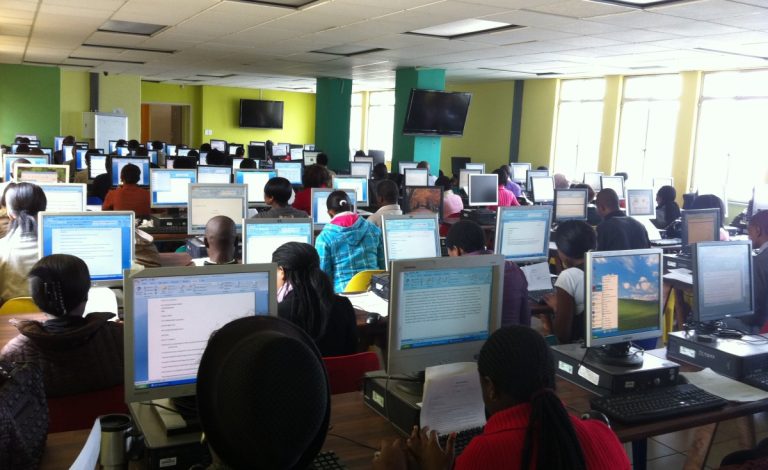
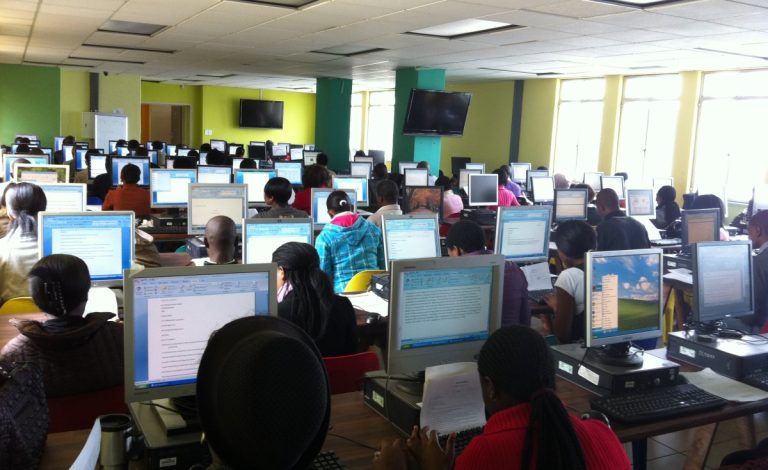
Computer Based Testing is not entirely new in Nigeria. The Joint Admissions and Matriculation Board has been conducting its entrance exams using CBT for nearly a decade. At first, it was chaotic. Systems crashed, networks failed, and students panicked. Yet over time, both JAMB and students adjusted, and today the system works relatively well. Supporters of the new WAEC and NECO plan argue that if JAMB could do it, then so can the country’s other exam bodies.
There is no doubt that the benefits are compelling. By moving online, exam bodies will save billions of naira spent on printing and transporting paper. It will also slash environmental waste from millions of booklets and answer sheets. Results could be processed faster, errors reduced, and cheating minimized.
For some, this is more than just an exam reform. “It is about preparing Nigerian children for a digital future,” said education consultant Dr Chinyere Okafor. “The world has moved online, and we cannot keep evaluating our students with 20th century tools.”
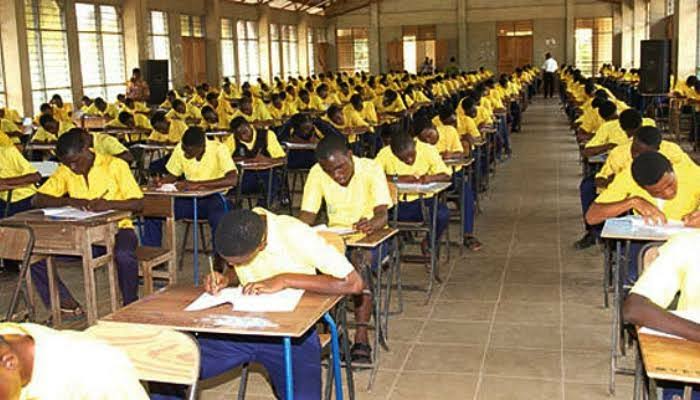
Yet for every note of optimism, there are voices of doubt. The biggest challenge is infrastructure. Many Nigerian schools, especially in villages, lack computers entirely. A 16 year old student, Blessing James, put it simply: “I have never used a computer in my life. Everything we do is on paper.”
Her story is not unique. 17 year old Temitope Adeyemi confessed that her school has only one computer, locked away in the principal’s office. “How can we practice for CBT with that” she asked.
The digital divide between rural and urban Nigeria is stark. In Lagos or Abuja, private schools may have computer labs and regular internet. But in rural Taraba, Ebonyi or Kebbi, power cuts last for days and mobile networks barely work. Conducting CBT there feels like asking students to write exams in the dark.
Teachers are also worried. Mr Usman Sule admitted, “We will need retraining. Many of us are still learning how to use PowerPoint. How can we prepare students for computer exams if we are not confident ourselves”
Parents share the same anxiety.A father of three, Mr Okechukwu Nwankwo, said, “If you make CBT compulsory, children in villages will fail not because they don’t know the answers but because they don’t know how to use a mouse.”
Electricity is another major hurdle. Nigeria’s power grid is unstable, and schools in rural areas often go for weeks without light. A CBT exam requires uninterrupted power, functioning systems, and steady internet. Without that, chaos is almost guaranteed.
Yet the government insists it is ready. Officials at the Ministry of Education have promised new ICT centers, teacher training, and partnerships with private firms to supply equipment. Vice President Kashim Shettima has spoken of a “national commitment” to making the 2026 deadline work.
Skeptics are not convinced. “We have heard these promises before,” said Professor Adewale Adesina. “Unless we see concrete steps now, this deadline will become another broken policy. You cannot declare digital readiness by press release. You must show it in classrooms.”
Still, there is something to be said for ambition. Policies like this often force change. When JAMB introduced CBT, there were protests, crashes, and confusion. But within a few years, both students and exam officials adapted. Some believe WAEC and NECO will follow the same path.
“Sometimes you just have to start,” argued ICT entrepreneur Funke Olayemi. “If we wait for everything to be perfect, we will never begin. Yes, it will be rough, but the future will demand it.”
The environmental benefits are also hard to ignore. Every year, WAEC prints millions of sheets of paper. Going digital means less cutting of trees, fewer trucks moving exam papers across the country, and lower storage costs. In a time when climate change is a pressing concern, that matters.
But for all its positives, the reform risks deepening inequality if not handled carefully. In a community in Imo state, parents expressed fear that their children would be left behind. “Most of us are farmers,” said Mrs Catherine Nwagwu. “We don’t have light, we don’t have computers. Does it mean our children will fail before they even try”
This is where the government faces its biggest test. Rolling out CBT is not only about exams. It is about building the infrastructure for a digital society. It requires electrification projects, affordable internet, teacher retraining, and student practice platforms. It demands equity so that a child in Sokoto has the same chance as a child in Lagos.
If Nigeria can rise to this challenge, the rewards will be immense. Students will gain confidence with technology, teachers will modernize their methods, and the education system will finally step into the digital age. If it fails, however, the 2026 deadline may become another painful reminder of promises unkept.
The next two years will tell. Will Nigeria match ambition with action Will rural students gain access to the same tools as those in the cities Or will this reform widen the gulf between the privileged and the forgotten
For now, students like Blessing James wait anxiously, wondering if their first encounter with a computer will be in the middle of their final exams. That, more than anything, captures the urgency of the question Nigeria must answer: not just whether CBT is possible, but whether it will be fair.



Leave feedback about this